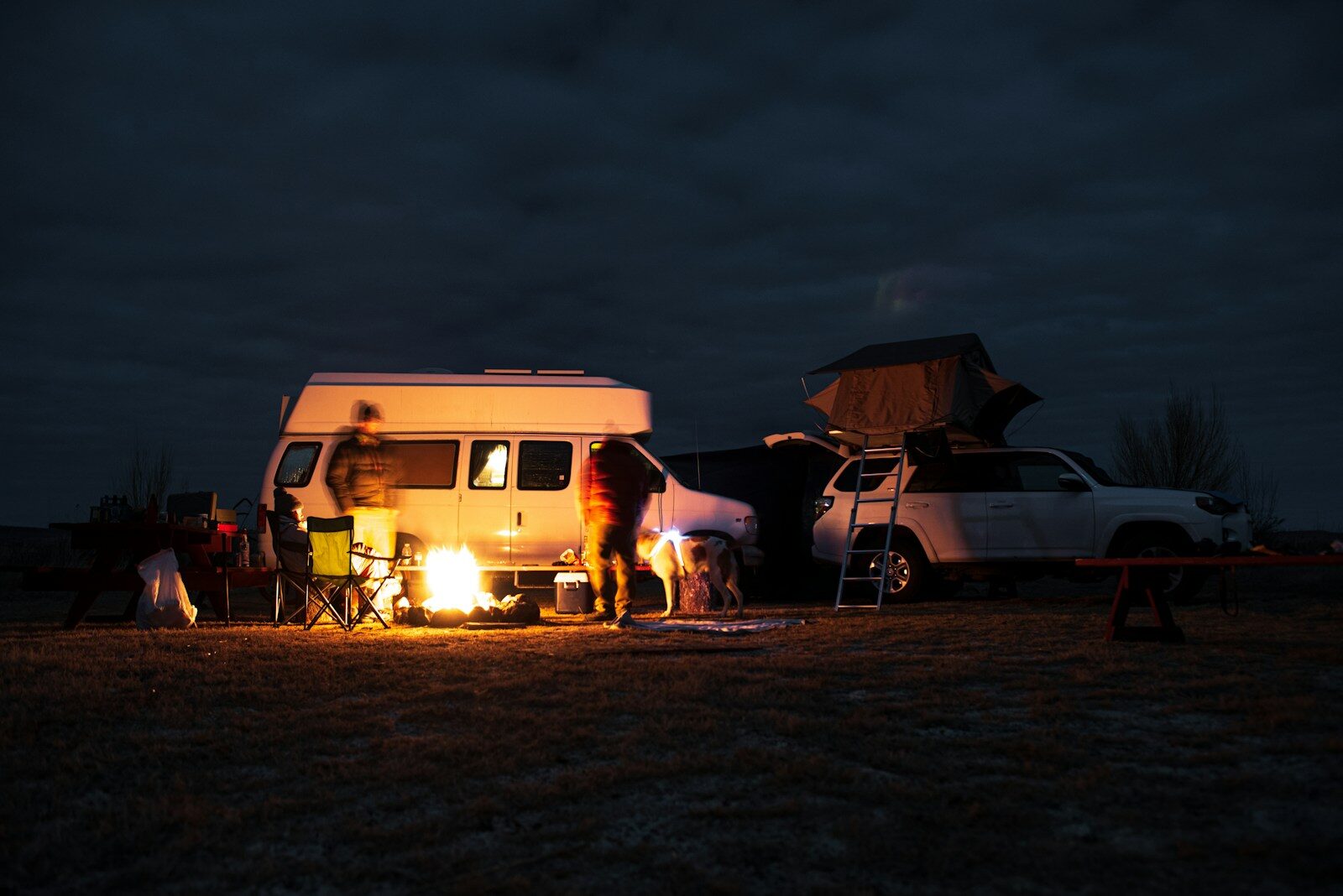
Boondocking: How to Camp Without Hookups and Why You Should
Boondocking — camping without electrical, water, or sewer hookups, typically on public lands away from developed campgrounds — is the mode of RV camping that most enthusiastically embraced RVers describe as the best part of the lifestyle. The combination of solitude, scenic locations inaccessible to traditional camping infrastructure, and the absence of nightly fees produces experiences that $75-per-night resort campgrounds don’t approach. The cost is self-sufficiency — managing your own water supply, power generation, and waste holding — which is achievable with modest equipment investment and the knowledge of how to manage it.
Power: The Primary Constraint
RV appliances — the refrigerator, lights, phone chargers, laptops, and fans — draw power continuously when in use. Without a hookup providing unlimited electricity, boondockers rely on batteries. The standard equipment in many RVs — a single 100 to 200 amp-hour lead-acid battery — provides enough power for one to two days of modest consumption before requiring recharging. Meaningful boondocking capability requires upgrading to a lithium battery bank (200 to 400 amp-hours) combined with a solar charging system (200 to 400 watts of rooftop panels). This combination provides three to five days of normal consumption before the batteries reach their discharge limit, and solar charging replenishes them daily in reasonable sun conditions. A 2,000-watt inverter-generator (Honda EU2200i is the gold standard) provides backup power during extended cloudy periods.
Water and Waste Management
A standard RV fresh water tank holds 30 to 60 gallons — enough for three to seven days of conservative use for two people. Water conservation practices: turn off the sink between rinses, use a spray bottle for dish washing, take navy showers (wet, soap, rinse). Waste holding tanks — gray water from sinks and showers, black water from the toilet — fill at different rates. Gray tank fills faster than black tank for most campers. Find dump stations at Flying J and Pilot truck stops (fee-based), many Walmart locations (free, verify locally before assuming), and state park campgrounds that sell dump station access without requiring a site reservation. Sanidumps.com maps dump station locations nationwide.