Tent Camping for Beginners: Everything You Need for Your First Night Outdoors
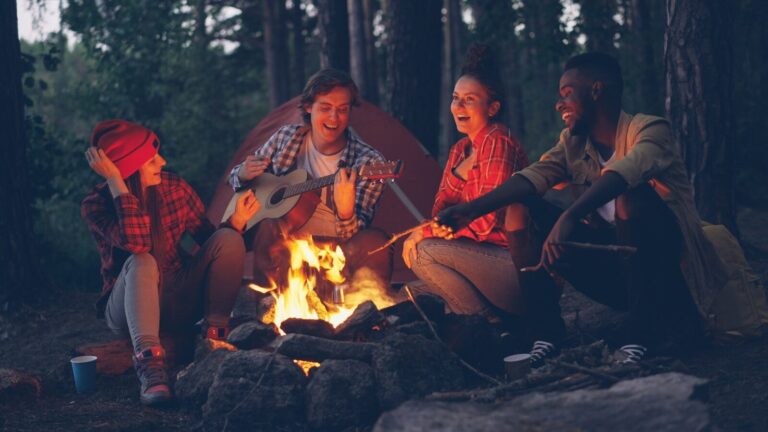
Tent camping requires less equipment and less investment than any other form of camping and provides direct, unmediated access to the natural environments that camping exists to provide — the sounds of a forest at night, the smell of rain approaching, the stars visible from a dark campsite, the fire that serves as social center in the evening. Starting correctly — choosing appropriate first sites, investing in the few genuinely important gear items, and understanding the basic skills — produces the experiences that turn first-time campers into regular ones rather than the cold, wet, frustrating experiences that put people off camping permanently.
Choosing Your First Campsite
Your first camping trip should be at a developed campground with established sites, pit toilets or flush restrooms, and ideally potable water — not a remote backcountry site that requires navigation and self-sufficiency. This provides the camping experience — the fire, the night sounds, the stars — with the safety net of established infrastructure and neighbors in case something goes wrong. State parks are excellent first camping destinations — well-maintained sites, reasonable fees, proximity to many urban areas, and the gradual introduction to outdoor settings that more remote camping requires as a foundation. Book your first trip in shoulder season rather than peak summer — cooler temperatures, fewer crowds, and more forgiving weather conditions.
The Essential Gear: What Actually Matters
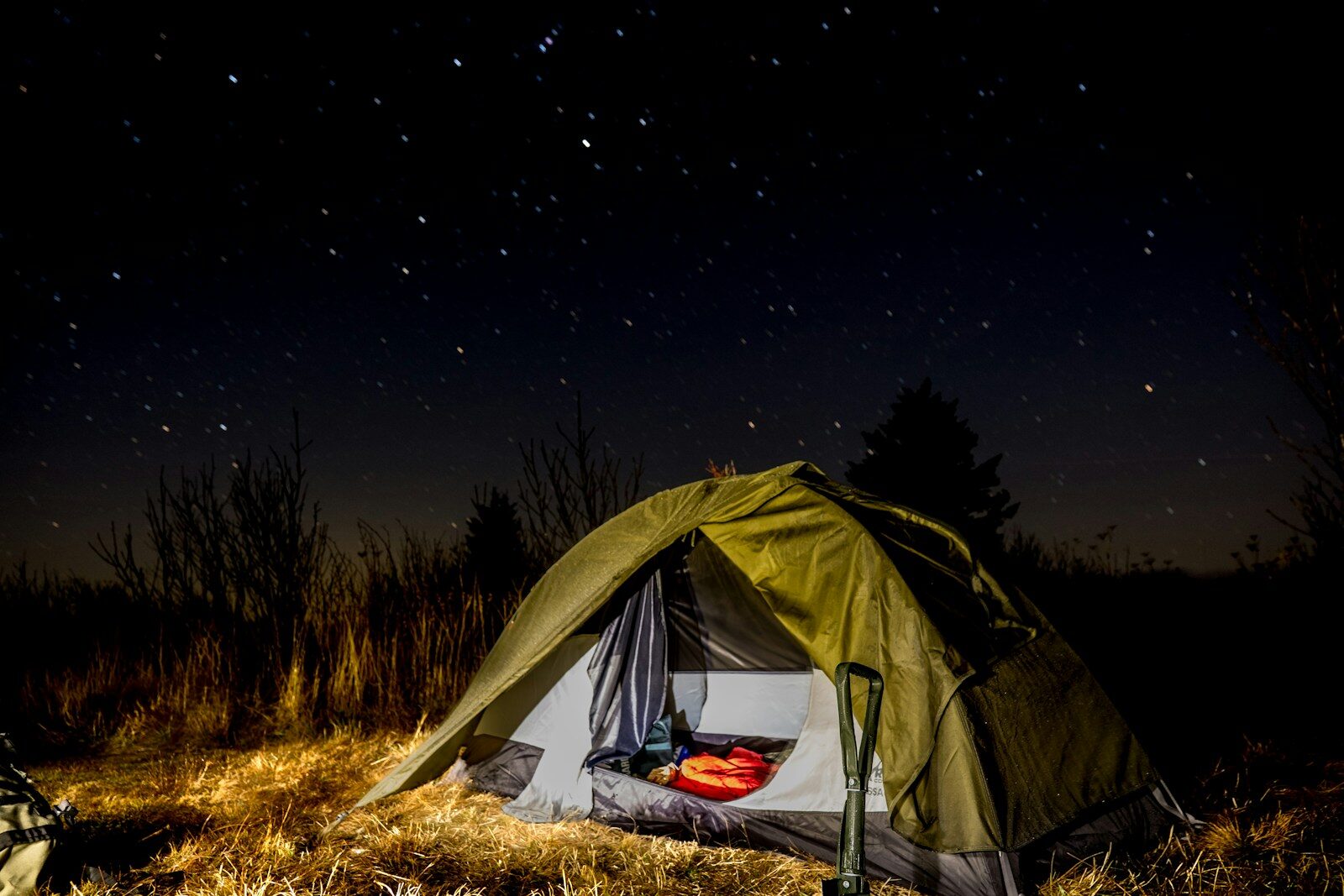
A tent: a three-season freestanding tent rated for two people more than your group — the additional space is worth the weight for comfort. Spend at least $100 on a tent; cheap tents leak in the first rain. REI Co-op, Big Agnes, and Coleman’s premium line offer reliable options at various price points. A sleeping bag rated to 20°F lower than the expected overnight low — you can always vent if too warm; being cold is miserable and ruins sleep. A sleeping pad: insulation from the cold ground is as important as the sleeping bag for warmth, and a pad dramatically improves sleep quality on hard or uneven ground. A headlamp per person — a $20 Black Diamond Spot handles everything from camp navigation to reading. A camp chair and a means to make hot water — a simple camp stove and fuel, or a jetboil — completes the minimum kit.