The Essential Camping Gear List: What to Buy and What to Skip
The camping and outdoor gear industry is skilled at creating the impression that a successful camping trip requires extensive, expensive, and specialized equipment. The reality is that the most satisfying camping experiences often involve the least gear — that simplicity is not a compromise but an advantage in outdoor settings. The following guide identifies the equipment that genuinely improves camping experiences, the substitutes that work as well as dedicated camping equipment at lower cost, and the categories that can be skipped entirely by most campers.
Shelter: Invest Here
A quality tent is the one camping gear purchase where cutting corners produces immediate consequences on the first rainy night. The seams on cheap tents leak, the poles bend in wind, and the floor floods in puddles that a quality tent’s rain fly would have prevented. The waterproof rating (measured in millimeters of hydrostatic head — 1,500mm minimum for reliable rain protection) and the quality of the pole material (aluminum beats fiberglass in weight and durability) are the specifications that determine performance. For most car campers, a mid-range tent from REI, Marmot, or Black Diamond at $150 to $300 provides reliable protection for a decade of regular use.
Cooking: Keep It Simple
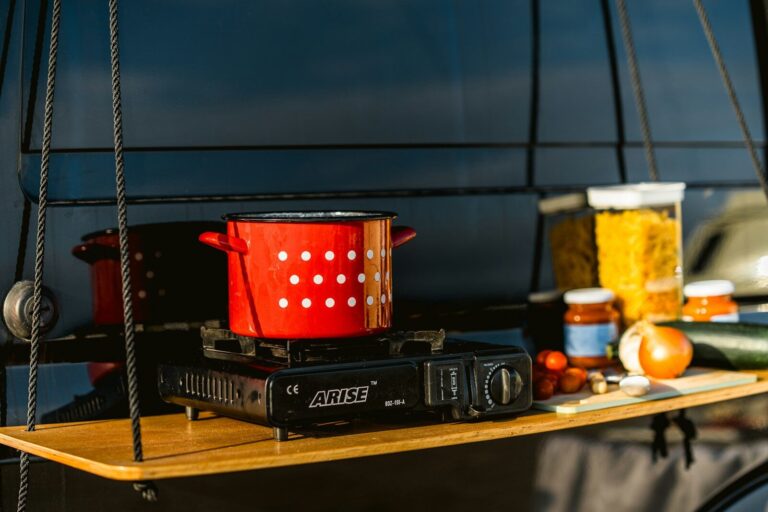
A two-burner propane stove handles virtually all car camping cooking needs without the complexity of camp fires for cooking. The Coleman Classic two-burner propane stove at $50 is one of the most reliable pieces of camping gear available and has been essentially unchanged for decades because it doesn’t need to be improved. Pair it with a cast-iron skillet (durable, easy to clean, does everything), a medium saucepan, and basic utensils. A French press coffee maker, a cutting board, and a cooler with a quality ice retention rating (YETI and Dometic lead this category; Coleman’s mid-range Xtreme coolers provide surprising performance at lower prices) complete a camp kitchen that enables genuinely good meals.
What to Skip
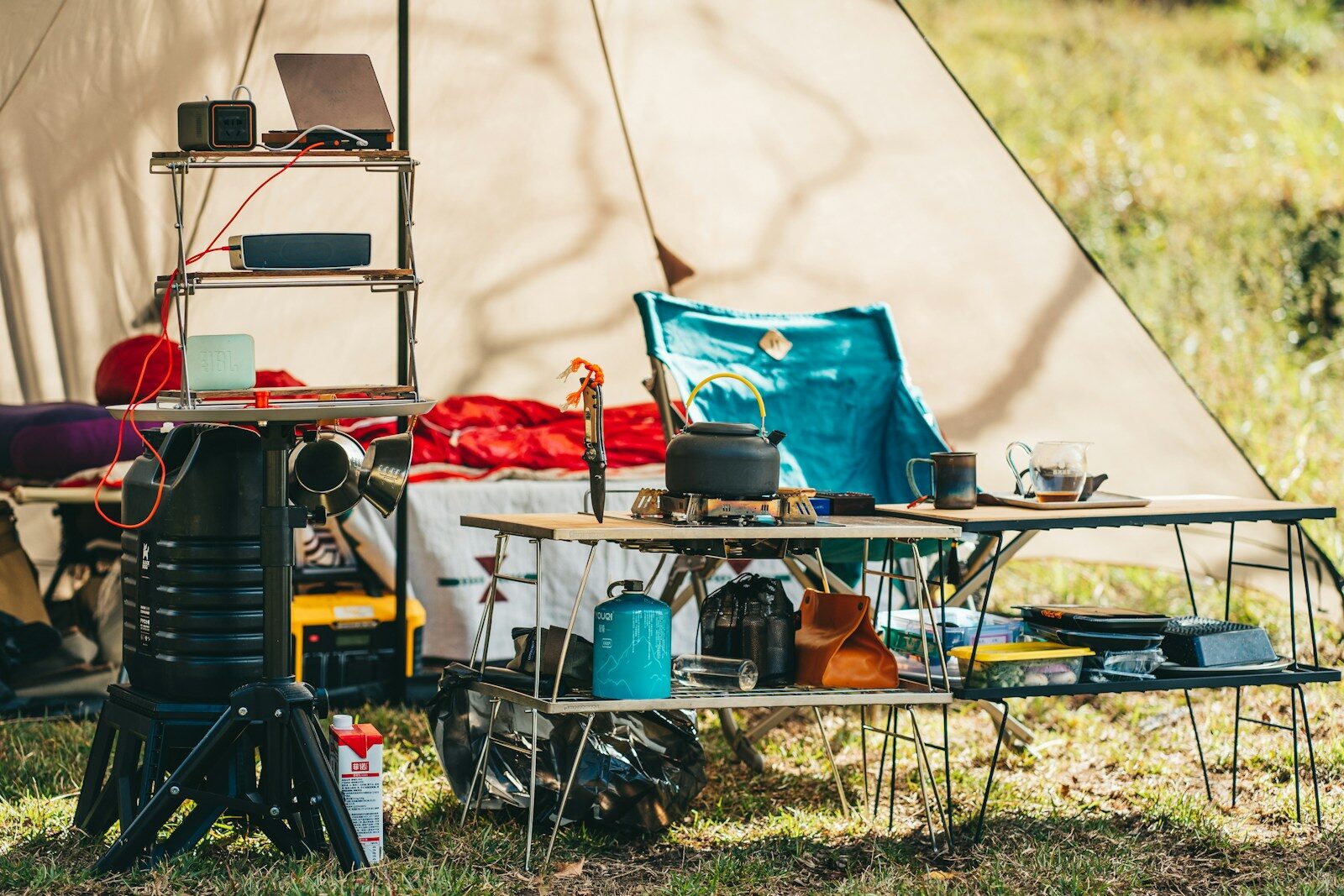
Expensive hammocks for camping where trees may not be available or appropriately spaced. Elaborate camp furniture systems that weigh more than they’re worth. Dedicated camping versions of items you already own in functional versions. The first-aid kit sold specifically for camping versus a well-stocked household first-aid kit in a zip-lock bag. The camping market’s premium on the word “camp” applied to ordinary products produces prices that regular versions of the same items don’t carry.